
When you look at the statements that were edited out of Trump’s Meet the Press interview that aired on TV, it is pretty rich that he’s suing 60 Minutes over edits to Harris. These are the parts that weren’t shown on air. meidasnews.com/news/what-tr…
— Ron Filipkowski (@ronfilipkowski.bsky.social) 2025-05-04T19:28:05.818Z
Why Do We Elect These People?
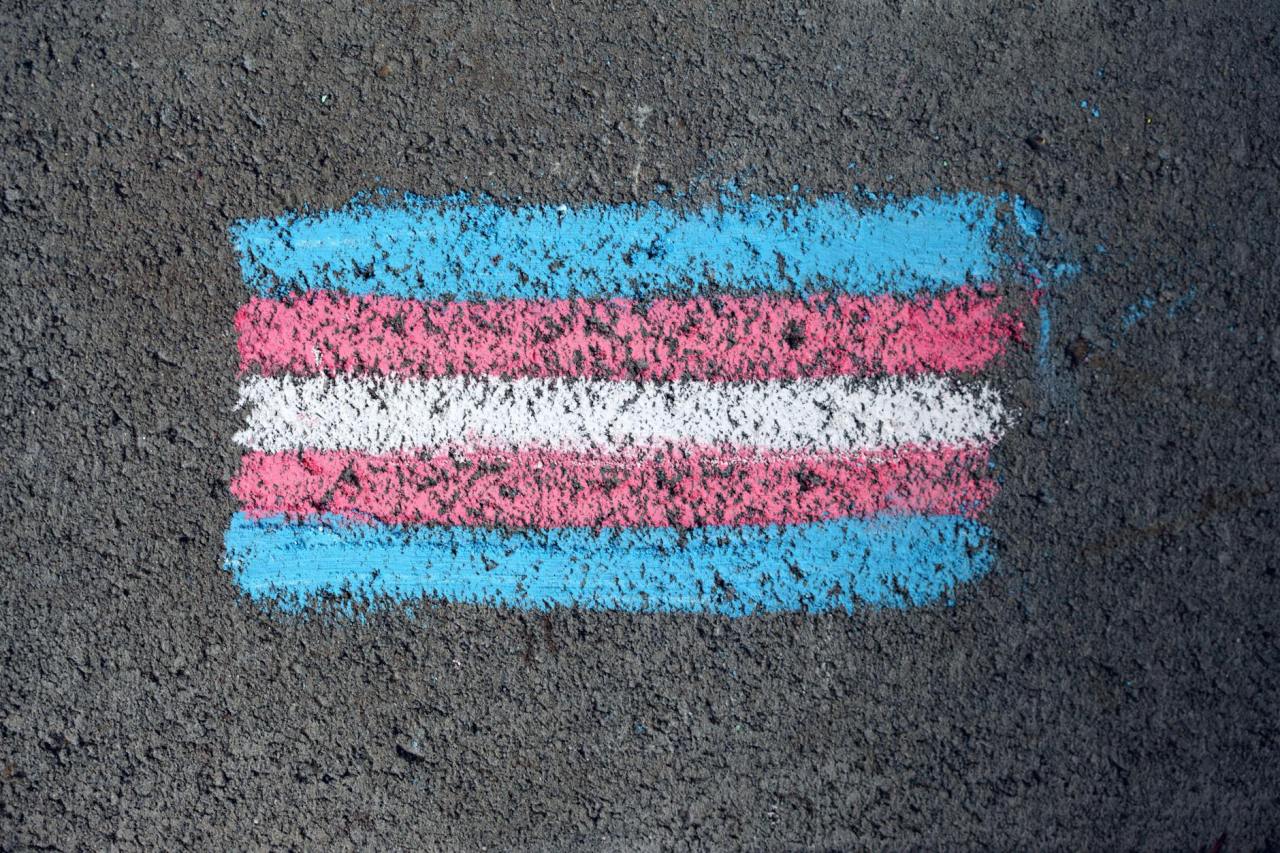
Breaking Barriers: The Struggle for Transgender Political Representation
Author: Elly Fox
Originally written for:
School of Politics, Philosophy, and Public Affairs, Washington State University
Political Science 305: Gender and Politics
Dr. Claudia Leeb
November 3, 2024
Over the past century, Americans have made significant strides toward political equality and representation. Women gained the right to vote with the 19th Amendment and by 1965, the Voting Rights Act ensured equitable voting access for people of color. Despite these advances, progress in women’s political representation was slow, with significant growth only beginning to occur in the mid-1990s. Today, over a quarter of congressional members are women (History of women in the U.S. congress). Despite the progress made in political representation for marginalized groups, America has only just begun work on its next great undertaking: equitable access for transgender individuals in politics. This paper seeks to understand why this disparity exists and what can be done to address it.
Today, there are zero members of Congress who identify as transgender (LGBTQ+ Victory Institute 2023). Three transgender individuals have previously served in presidential administrations (Keen, 2010), including Admiral Rachel Levine, who, as a four-star Admiral, is the highest-ranking transgender individual in American history. She was confirmed by Congress in 2021 as the Assistant Secretary of Health (Diamond & Schmidt, 2021), marking a groundbreaking achievement in transgender visibility at the federal level. Admiral Levine’s appointment not only marks a historic milestone, but also serves as an inspirational example for other transgender individuals aspiring to serve in public office. Only fifty-five transgender individuals serve in political positions, none of which are at the federal level. Eight are state positions, two are judicial positions, and the rest are local political positions (LGBTQ+ Victory Institute 2023).
This disparity in transgender representation is primarily due to systemic discrimination, lack of support in educational settings, pervasive social stigma, and the impact of anti-LGBTQ+ legislation. This paper will not only discuss the systemic barriers that prevent transgender individuals from achieving political representation but will also highlight necessary reforms needed to foster equitable participation in the political arena. Educational support is vital, and schools need to adopt comprehensive anti-bullying programs and provide appropriate facilities for transgender students to help them thrive academically. Systemic discrimination can be addressed by implementing policies that protect transgender individuals from bias in both the workplace and government institutions. Addressing social stigma requires public awareness campaigns and community engagement to foster understanding and acceptance. Most importantly, anti-LGBTQ+ legislation must be repealed and protective laws enacted in their place. These steps are essential to dismantling the barriers that prevent transgender individuals from political engagement and achieving equitable access to political office.
From childhood, we are asked to consider what we want to be when we grow up. It is a topic of dreams and wishes, and as we grow and approach adulthood, dreams suddenly seem attainable for many. Transgender individuals, however, often find that systemic barriers make their dreams unattainable. Research shows that when high school students were asked if they thought they would graduate high school, and if so, would they attend a four year post-secondary school, transgender individuals were not only less likely to state they would attend post-secondary schools, but they felt they were unlikely to graduate high school. In addition, transgender students were more likely to be truant and have lower grades. The study found a significant correlation between victimization of LGBTQ+ students and poor academic outcomes (Aragon et al., 2014). This is the first barrier, and it is significant.
Transgender youth face bullying and stigma, as well as unsupportive faculty and inappropriate facilities. In addition, they experience an inevitable increase in school absences by virtue of the fact that these youth must tend to medical and mental health appointments due to bullying and/or gender affirmation (Aragon et al., 2014). Even if their home environment is supportive, which is often not the case, attending a hostile school environment daily takes a toll on their mental health. Despite an executive order signed in March 2021 by President Biden guaranteeing a discrimination-free educational environment, many LGBTQ+ do not experience this guarantee as a practical reality. For example, a 2021 survey found that a third of LGBTQ+ students reported being physically harassed and an equal amount reported feeling so unsafe at school that they skipped classes, indicating that the policy has not translated effectively into practice (Byun et al., 2024). It is no wonder that their academic outcomes are significantly poorer than their cisgender peers who enjoy a much more supportive environment.
Access to equitable academic programs, or lack thereof, is only the first barrier. These educational barriers often result in poor academic outcomes, limiting opportunities and reducing access to further education or careers. When transgender youths leave school, they face additional societal barriers in other institutions, such as the workplace, medical facilities, and even the government itself. In 2022, 525 anti-LGBTQ+ bills were introduced across the nation, according to the Human Rights Campaign, ranging from censorship, sports restrictions, and prohibitions on gender-affirming care, though they are not limited to this theme. This deluge prompted the Human Rights Campaign to declare a state of emergency for LGBTQ+ youth in the United States. A 2024 study by Byun et al. found a high correlation between anti-LGBTQ+ legislation and depression amongst LGBTQ+ youth. Unsurprisingly, this correlation was most felt in the education sector, particularly where the legislation impacted schools and curriculum (Byun et al., 2024).
Nonetheless, resistance to these systems of oppression exists, and against the odds, transgender individuals do find ways to thrive and excel in less-than-supportive academic environments. Though only a few dozen have found their way into politics thus far, the number rises with each passing year and the appointment of high-visibility transgender individuals, such as Admiral Levine, not only serves to inspire others, but demonstrates the importance of breaking barriers in representation. Admiral Levine’s success illustrates how systemic changes – like increased visibility and supportive policies – can pave the way for others to follow, thereby dismantling barriers and breaking the cycle of underrepresentation. However, when transgender individuals decide to run for office, they come up against several barriers that fundamentally stem from societal bigotry. The Center for Public Integrity reported in 2019 that nine transgender individuals ran for Congress in 2018; between them, they raised less than $300,000. Only three candidates raised more than $5000. For perspective, seat winners spend $1.5 million on average (Beachum, 2022). Money is not the only obstacle for these candidates, however. Voters are still highly reluctant to vote for transgender candidates, even when they are willing to consider gay and lesbian candidates. A recent study noted that while some of the bias is explained by the perception that transgender individuals are more liberal, much of the opposition to electability stems from prejudice (Magni & Reynolds, 2021).
Though these barriers are significant, they are not insurmountable. It has taken nearly one hundred years since women were granted the right to vote to be standing on the cusp of a woman sitting in the Oval Office, or if not, coming closer than any other woman in history. What will it take for transgender individuals to find their way to the Oval Office? It begins, of course, in the schools. Teachers and administrators must be educated on transgender issues, how to prevent and address bullying, how to provide appropriate facilities for students, and how to incorporate allyship and inclusivity into their curriculums. By creating a supportive school environment, transgender youth can achieve better academic outcomes, which is essential for their future opportunities. There must be legislation that ensures every school district adheres to equity requirements, providing consistent protection and support for LGBTQ+ students. In addition, public policy must address discrimination in other areas to create a comprehensive network of support. Only by systematically dismantling these barriers can we break the cycle of underrepresentation and create a political environment where transgender individuals can thrive and achieve success.
By addressing these issues at the educational level, we can expect to see a decrease in societal bigotry over time as more students are taught the importance of allyship. However, it is not enough to hope for this effect to occur. Legislation must be enacted to protect the rights of transgender individuals, not only in academic settings, but in healthcare, the workplace, and other societal institutions. Repealing discriminatory laws and replacing them with protective legislation is a crucial step to combating these challenges and ensuring equal rights for transgender individuals in all areas of society. Protective laws will ensure that transgender individuals have access to the resources they need, such as mental health care and equitable workplace policies, which can directly counter the minority stress effect. Educational reforms and supportive legislation together create an environment where transgender individuals are more likely to succeed, participate in political processes, and pursue leadership roles. Without adequate representation in government, the voices of this community risk being unheard.
Legislation is not enough, however. Public awareness campaigns and advocacy efforts are needed to reduce societal stigma and foster acceptance, mitigating the impact of minority stress. By addressing both legislative and societal barriers, we can create a more supportive environment that encourages transgender individuals to participate fully in society, including in the political arena. Only by bolstering support and ensuring equitable access to institutional services, such as mental health care, can we counter the minority stress effect that plagues this demographic. Yet, without adequate representation in government, who speaks for this community?
In his article discussing transgender politics, Zein Murib refers to Leslie Feinberg’s appeal to intersectionality as a means to bind together “a coalition of diverse identities.” He goes on to explain her theory:
“According to Feinberg, then, a necessary first step for transgender liberation is about ‘trying to find words, however inadequate, that can connect us, that can capture what is similar about the oppression we endure…’” (Murib, 2015).
It is this fundamental appeal to commonality in oppression that is key to better representation for transgender individuals in the political arena. Women have made their mark; similarly, there are currently openly gay and lesbian politicians sitting in office. Each year, more people of color win seats. It is up to those who have carved a niche, who have made their voices heard, to begin to speak up for those left behind until they can speak for themselves, such as Harvey Milk, who successfully advocated for LGBTQ+ rights (The Official Harvey Milk Biography) or the Black Lives Matter movement, which has shown the power of collective advocacy.
The United States of America was founded on progressive ideas, new ways of doing things, hope for a better future for people. Since then, her people have fought to be included in that dream and as time goes by, we begin to see the fruits of that labor. It is time, however, to look back at those lagging and lift them up. With the deepening understanding of intersectionality and the importance of representation, it is incumbent upon those whose voices have been and can be heard to use them in service of those whose voices are not only not being heard, but actively silenced. A government for the people, by the people is a declaration of responsibility. Americans must ensure that all people have a voice, an opportunity, and the support to thrive. It is time to demand these rights for transgender individuals all over the country, because liberty and justice for all means our transgender brothers and sisters too.
References
Aragon, S. R., Poteat, V. P., Espelage, D. L., & Koenig, B. W. (2014). The influence of peer victimization on educational outcomes for LGBTQ and Non-LGBTQ High School students. Journal of LGBT Youth, 11(1), 1–19. https://doi.org/10.1080/19361653.2014.840761
Beachum, L. (2022, January 28). Transgender political candidates are increasingly common. the money backing them is not. Center for Public Integrity. https://publicintegrity.org/politics/elections/transgender-political-candidates-are-increasingly-common-the-money-backing-them-is-not/
Byun, J., Cavaliere-Mazziotta, R., & Zhao, Z. (2024, June 15). The impact of anti-LGBTQ+ policies on the mental health of LGBTQ+ youth in the United States. NHSJS. https://nhsjs.com/2024/the-impact-of-anti-lgbtq-policies-on-the-mental-health-of-lgbtq-youth-in-the-united-states/
Diamond, D., & Schmidt, S. (2021, May 24). Senate confirms Rachel Levine, historic transgender nominee, as assistant health secretary – The Washington Post. The Washington Post. https://www.washingtonpost.com/health/2021/03/24/rachel-levine-confirmed/
History of women in the U.S. congress. Center for American Women and Politics. (n.d.). https://cawp.rutgers.edu/facts/levels-office/congress/history-women-us-congress
Keen, L. (2010, January 9). Obama appoints first openly transgender people to posts. Keen News Service. https://keennewsservice.com/2010/01/05/obama-appoints-first-openly-transgender-people-to-posts/
LGBTQ+ Victory Institute. Out for America. (2023, April 19). https://outforamerica.org/?office-level=Governor%2CUS%2BCongress%2CStatewide%2CMayor%2CState%2BLegislature%2CLocal%2CJudicial&gender-identity=Transgender%2BMan%2CTransgender%2BNon-Binary%2CTransgender%2BWoman
Magni, G., & Reynolds, A. (2021). Voter preferences and the political underrepresentation of minority groups: Lesbian, gay, and transgender candidates in Advanced Democracies. The Journal of Politics, 83(4), 1199–1215. https://doi.org/10.1086/712142
Murib, Z. (2015). Transgender: Examining an emerging political identity using three political processes. Politics, Groups, and Identities, 3(3), 381–397. https://doi.org/10.1080/21565503.2015.1048257
The Official Harvey Milk Biography. Harvey Milk Foundation. (n.d.). https://milkfoundation.org/about/harvey-milk-biography
The Day America Turned Its Back on the Free World
Goodbye Cancer
Well, I guess my first post can be a farewell. I’m sitting in a hospital bed waiting to be discharged.
A few months ago I learned that they had spotted a small mass on my kidney during a CT scan. This was remarkable in that I was in the ER for idiopathic abdominal pain and the CT wasn’t even for my kidney. Later, I learned it was even more incredible that they saw it because it only showed up after the contrast began to drain. It was a small 2 cm mass, highly suspicious for renal cell carcinoma.
Two days ago, I underwent a partial nephrectomy. They removed the tumor and part of my kidney. The cancer went with it. No radiation or chemo needed. I am very fortunate indeed to have caught it so early.
Farewell cancer. Don’t come back.
 Lore's Library